HOME / COUPLERS
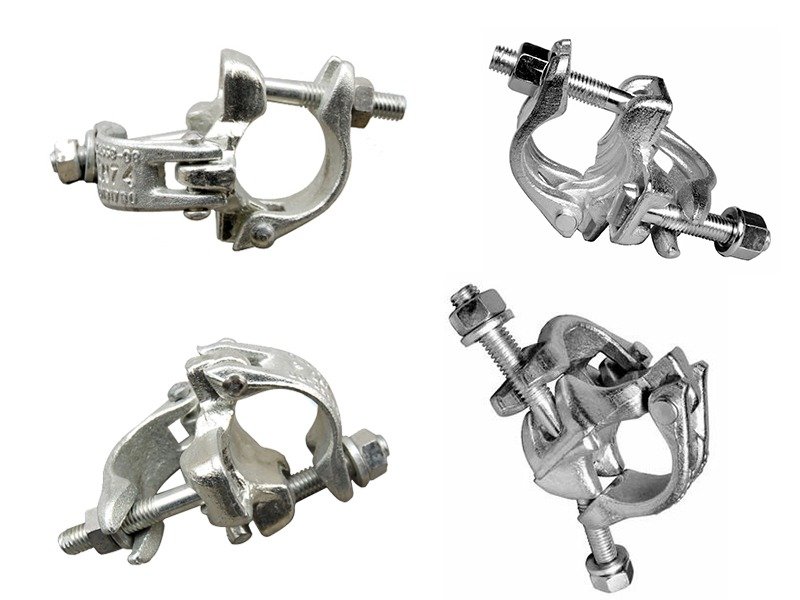
Forged & pressed couplers
The small parts that decide whether a scaffold stands true. Drop-forged for load-bearing joints, pressed for fixings — weighed, gauged and bagged in 25 kg export sacks. EN 74-1 / BS 1139 patterns · British · German · American · JIS styles · Your logo cast on the bodyTHE RANGE
Nine fittings cover every joint on site.
All patterns suit Ø48.3 mm tube. Bodies are zinc-finished with hardened bolts and nuts; samples ship on request for your own slip and load checks.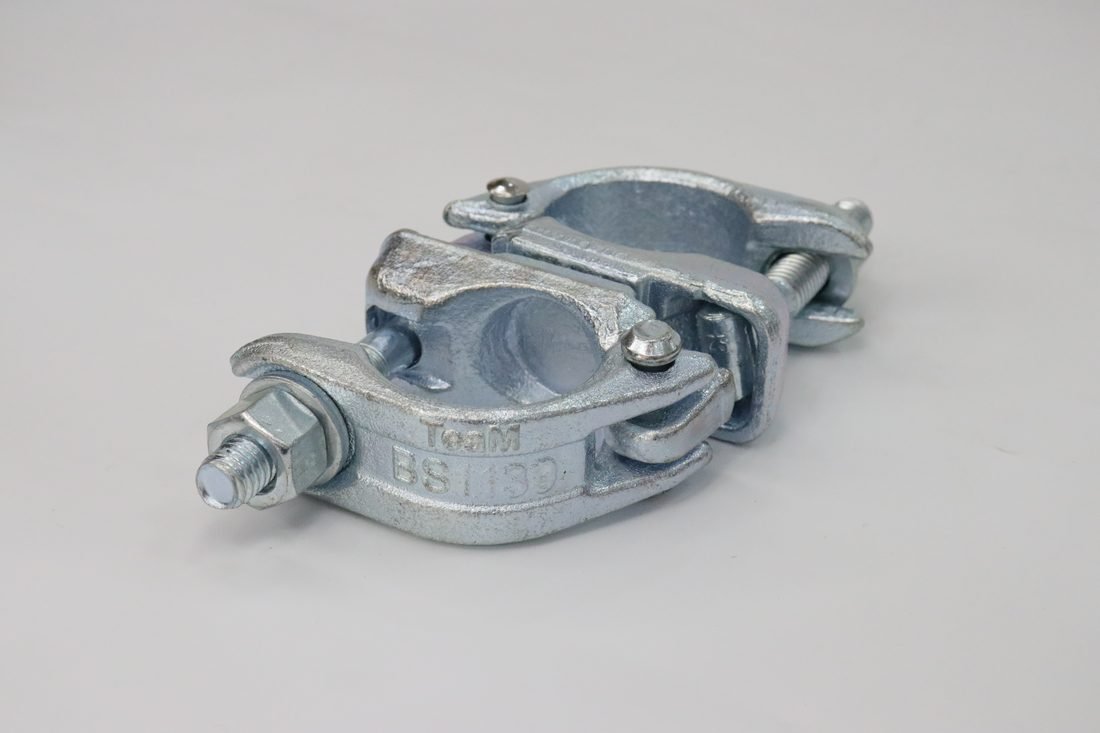
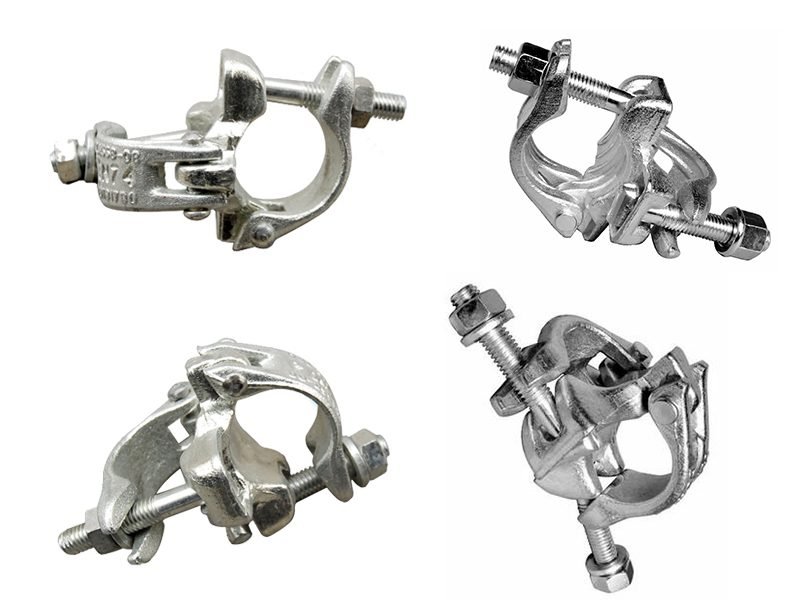
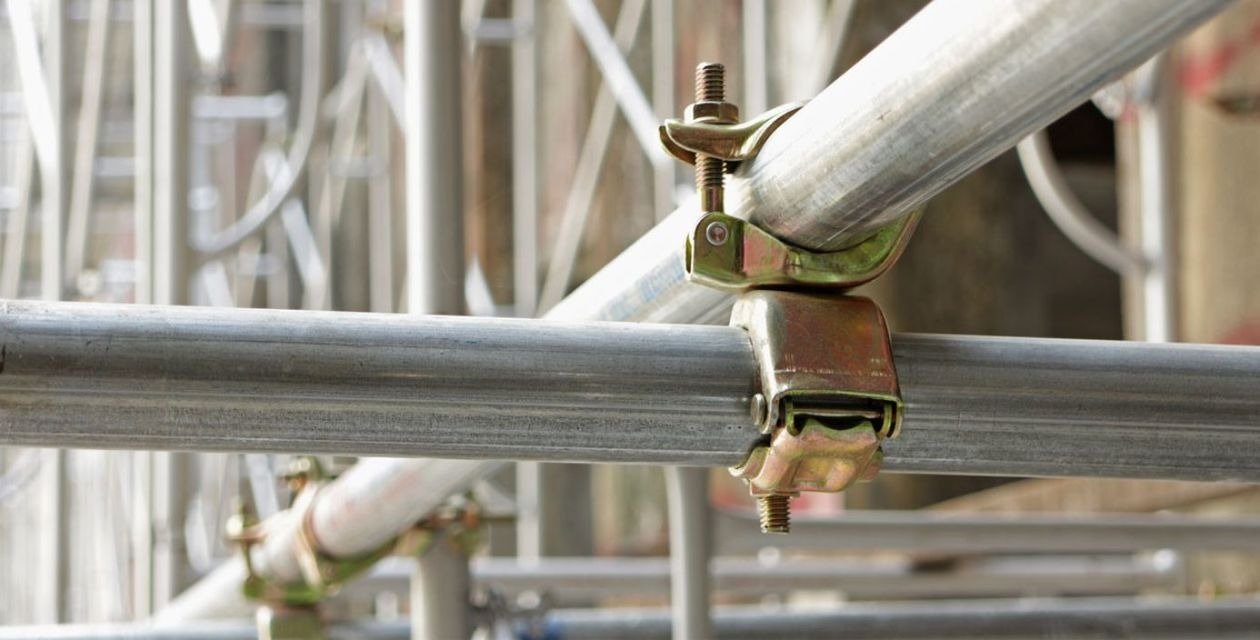
Double Coupler
COUPLER — Right-angle, load-bearing. Ledgers to standards, the joint the whole structure hangs on. Forged · ≈0.98 kg

Swivel Coupler
COUPLER — Any-angle connection for diagonal bracing and raked or curved structures. Forged · ≈1.05 kg
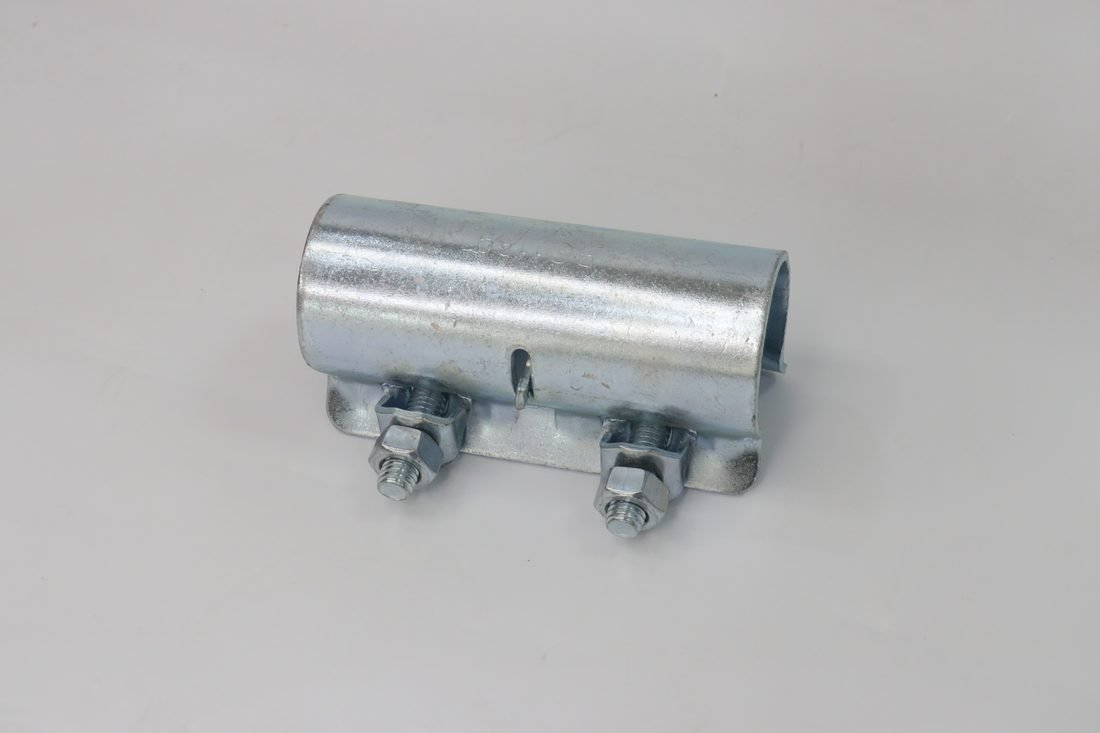
Sleeve Coupler
COUPLER — External sleeve for end-to-end extension of standards and long ledgers. Pressed · zinc

Girder Coupler
COUPLER — Clamps tube to beam flanges for bridging, hanging and cantilever work. Forged · heavy class
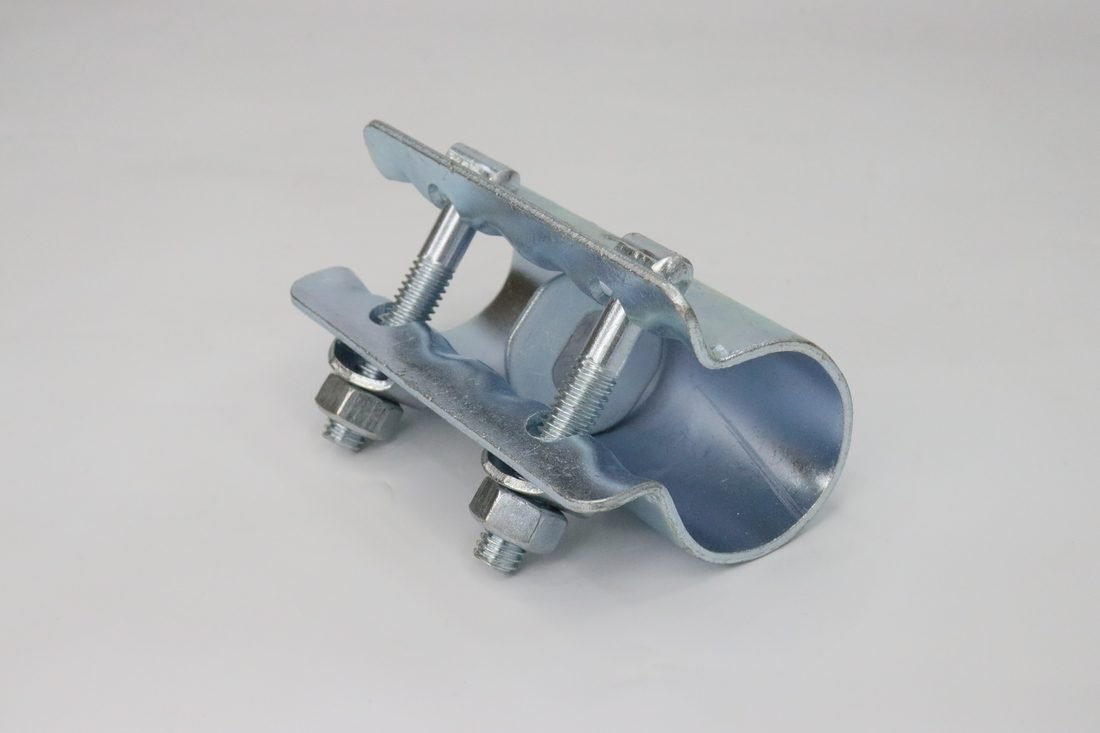
Putlog Coupler
COUPLER — Single, non-load-bearing fixing for transoms in putlog scaffolds. Pressed · light class

Board Retaining Coupler
COUPLER — Secures scaffold boards against uplift and movement on the platform. Pressed · zinc

Fence / Panel Coupler
COUPLER — Variant fixing for panels, mesh and boarded lifts. Pressed · zinc
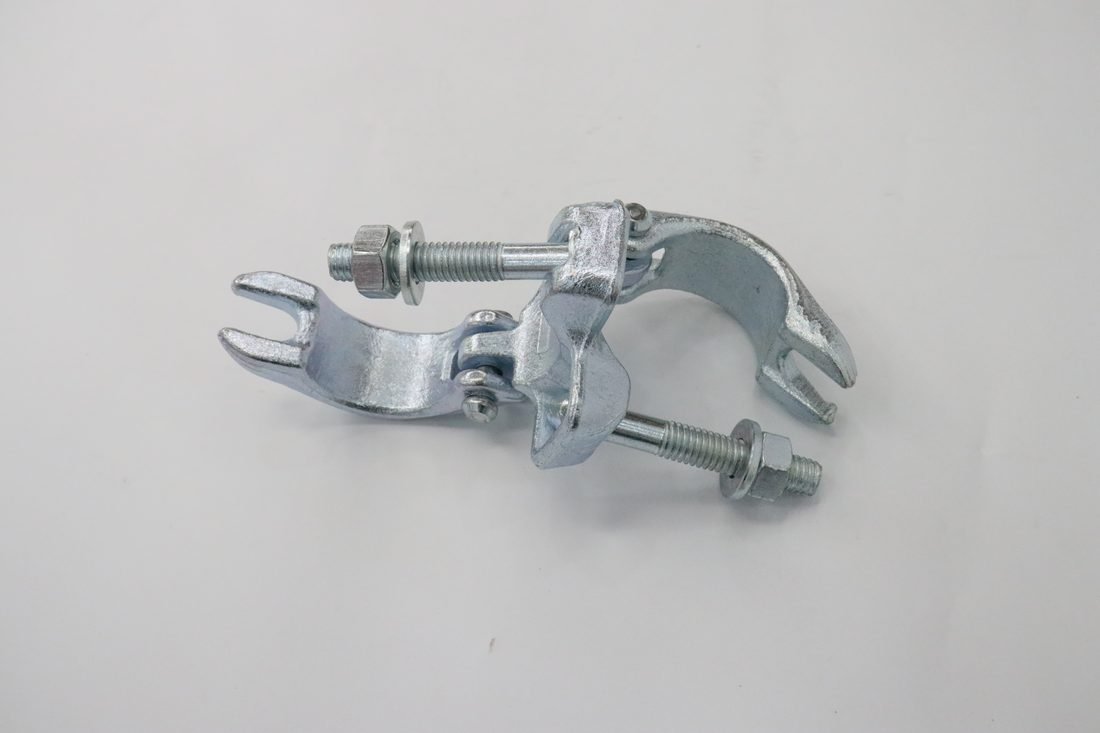
Ladder Clamp
COUPLER — Fixes access ladders firmly to the scaffold structure. Pressed · zinc
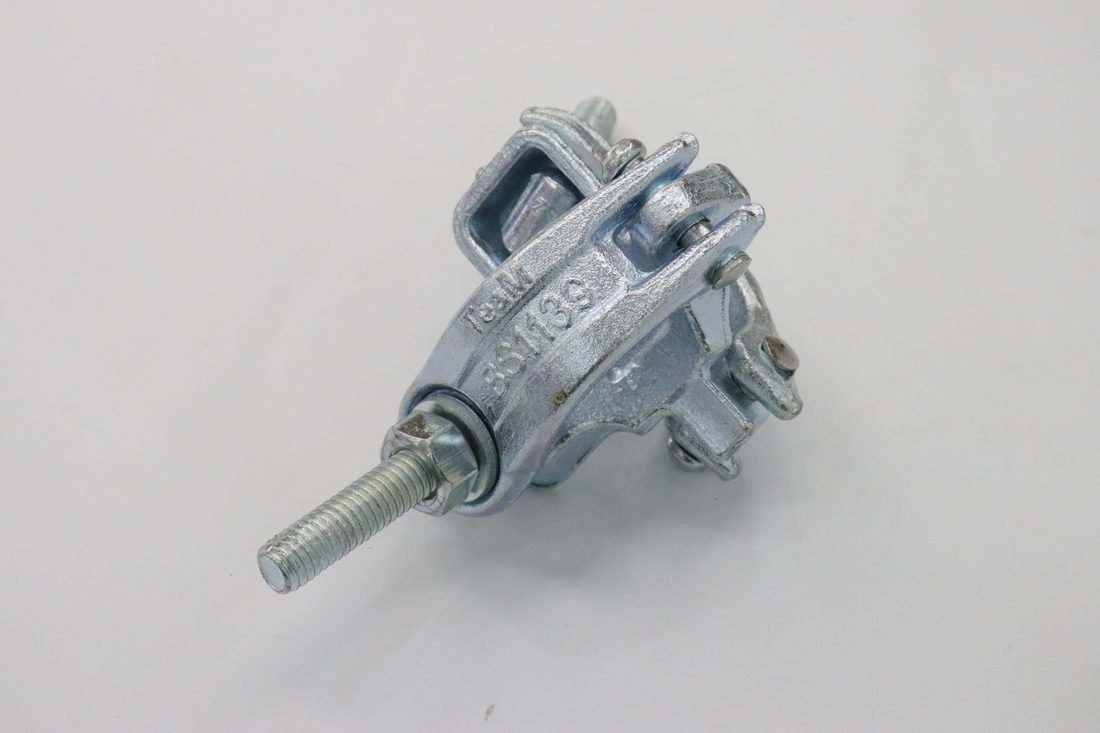
Beam Clamp — Forged
COUPLER — Heavy forged clamp with coarse thread for steelwork connections. Forged · HDG option
FORGED VS PRESSED
Two ways to make a coupler. The load decides which.
Drop-forged bodies are hammered from hot steel billet — grain follows the shape, and the fitting carries structural load: doubles, swivels and girder couplers. Pressed bodies are formed from steel plate — lighter and cheaper, right for fixings that locate rather than carry: putlogs, board retainers, ladder clamps. Selling a pressed fitting into a load-bearing joint is how scaffolds get into the news. Our quotes always state the process next to the type, so you can check us. ✓ Load-bearing classes: forged, to EN 74-1 patterns ✓ T-bolts and nuts hardened, gauged for free-running fitBolt close-up
THE PROCESS
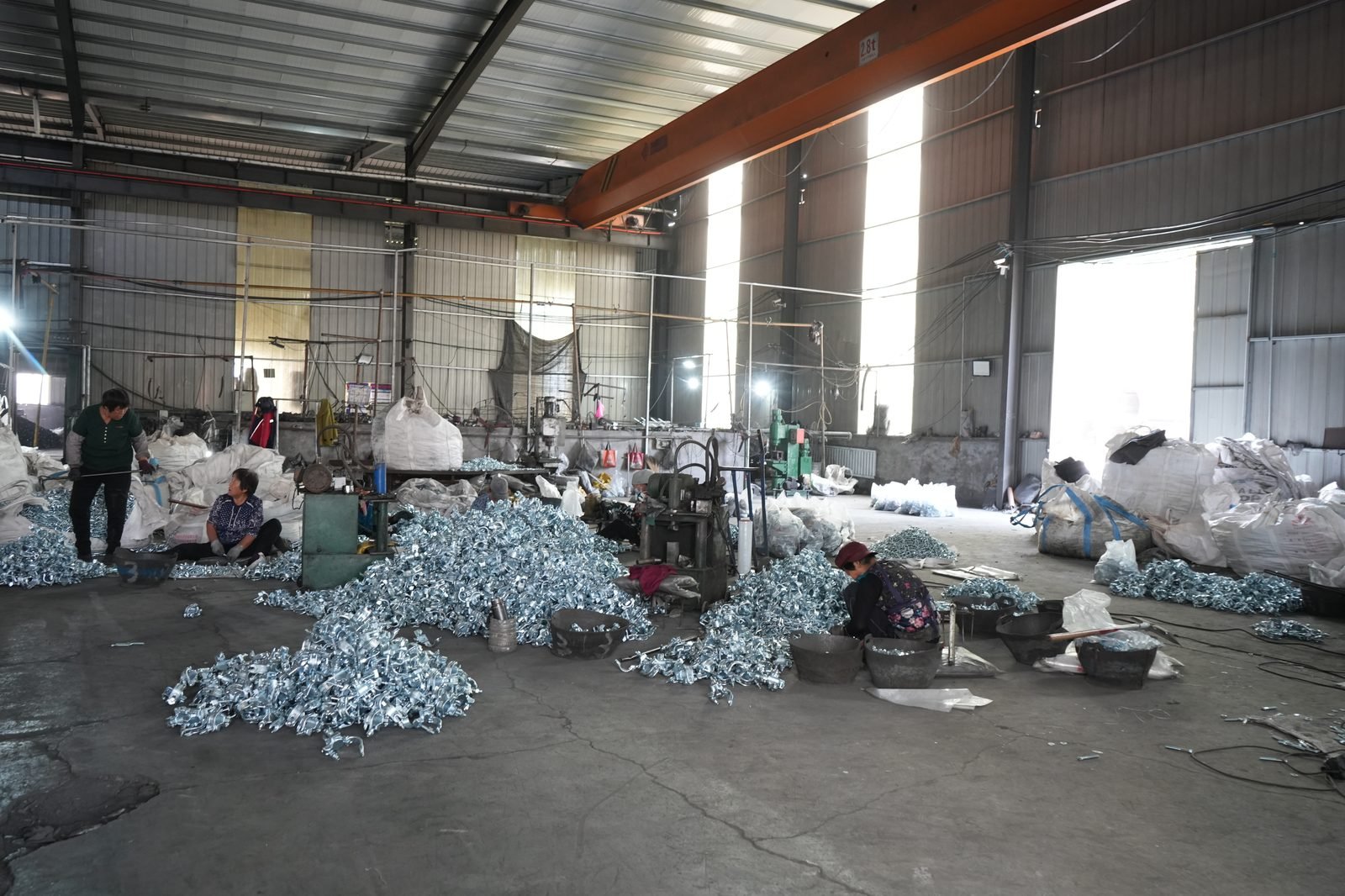
From billet to bag in four steps.
1 · Billet & heat — Steel billet cut to weight and heated. A gram either way shows up in the finished fitting.
2 · Forge or press — Drop hammers form the forged range; presses form plate for the fixing range.
3 · Trim, drill, thread — Flash trimmed, holes drilled true, bolts threaded and nuts tapped to gauge.
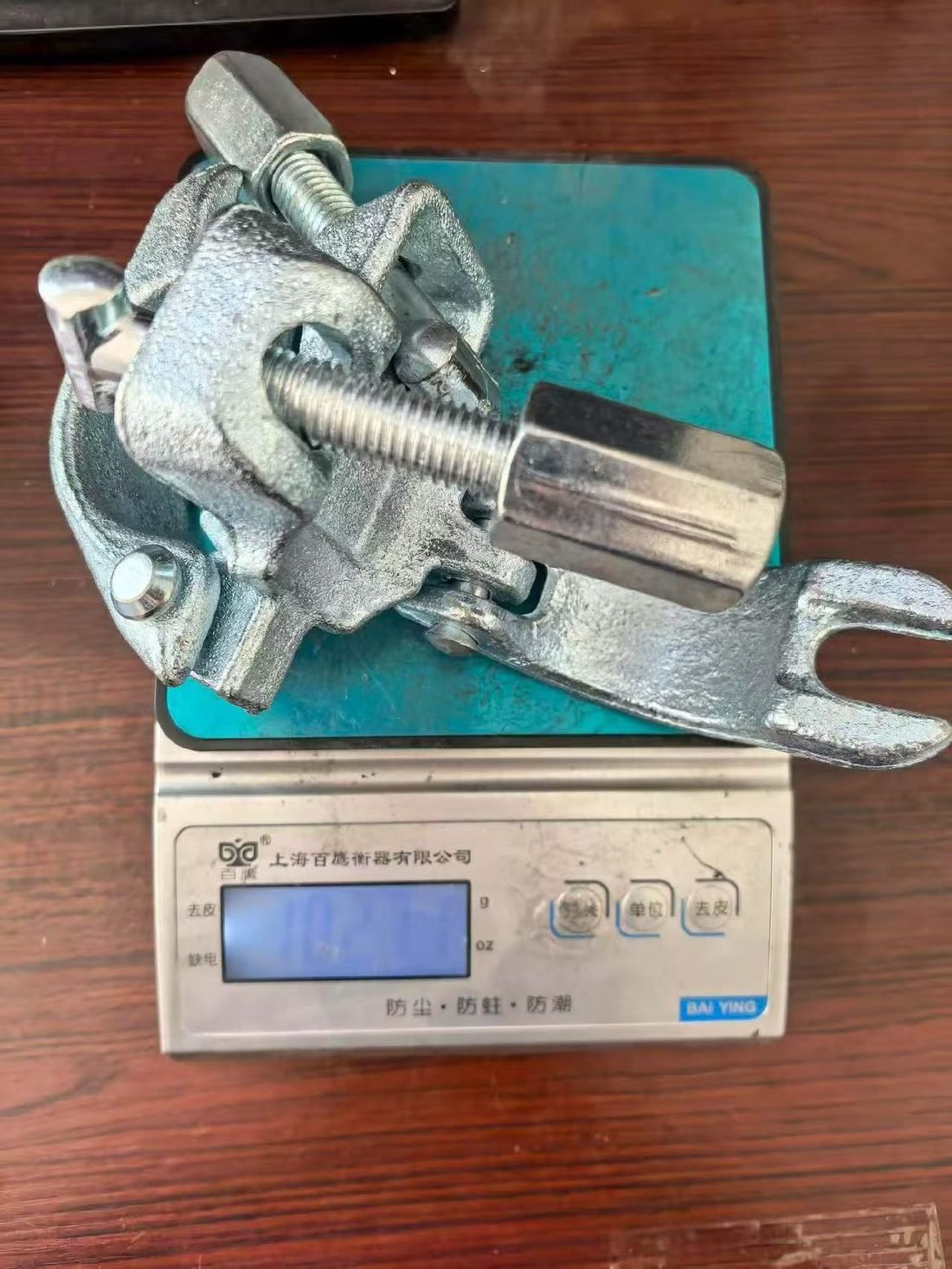
4 · Assemble & weigh — Bodies, lids, bolts and nuts assembled, sampled for fit and weight, then bagged.
STANDARDS & PACKING
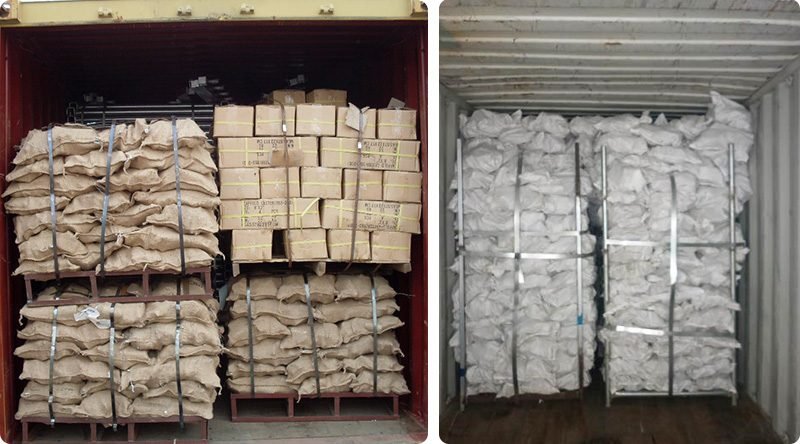
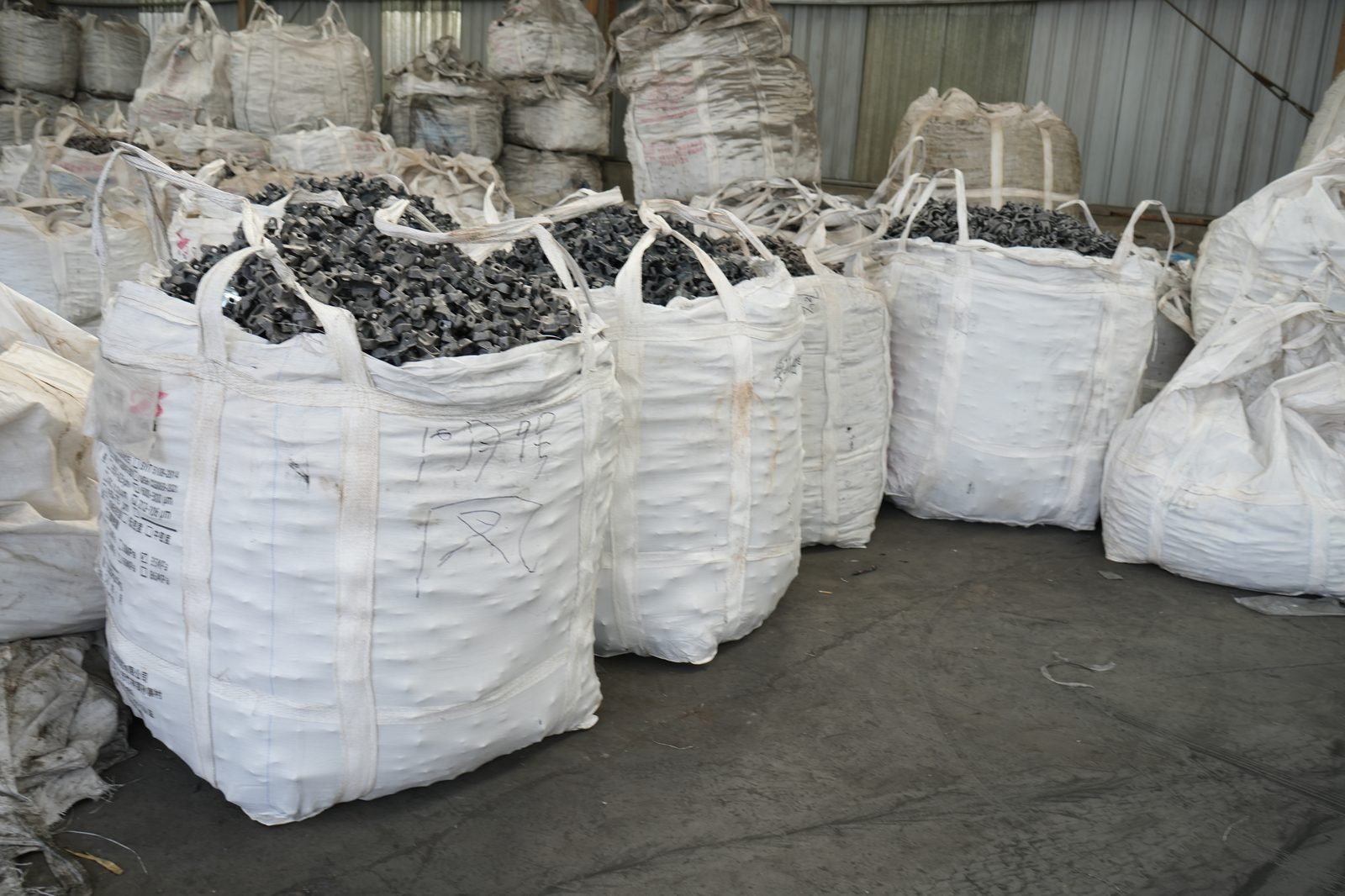
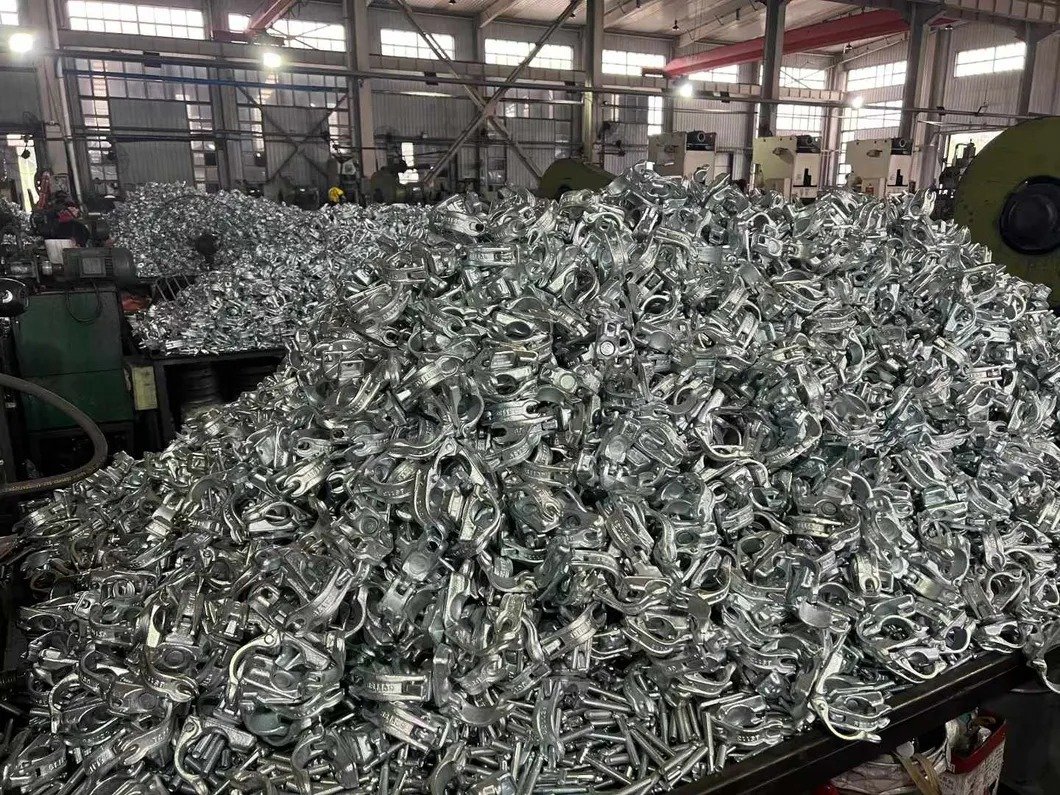
Tested to the standard. Packed for the container.
Load-bearing couplers are produced to EN 74-1 / BS 1139 patterns — the classes your engineers specify for slip resistance and load. Batch samples are weighed and thread-checked before bags are sealed, and test reports for the batch travel with your documents. ✓ 25 kg woven export sacks — the site-friendly standard ✓ Jumbo bags (≈1 t) or palletised sacks on request ✓ Container loads by weight — typically 25–28 t per box ✓ Your mark cast into the body, your label on every bagGALLERY